Maya and the Three, Chapter 2: "The Prophecy" (2021)
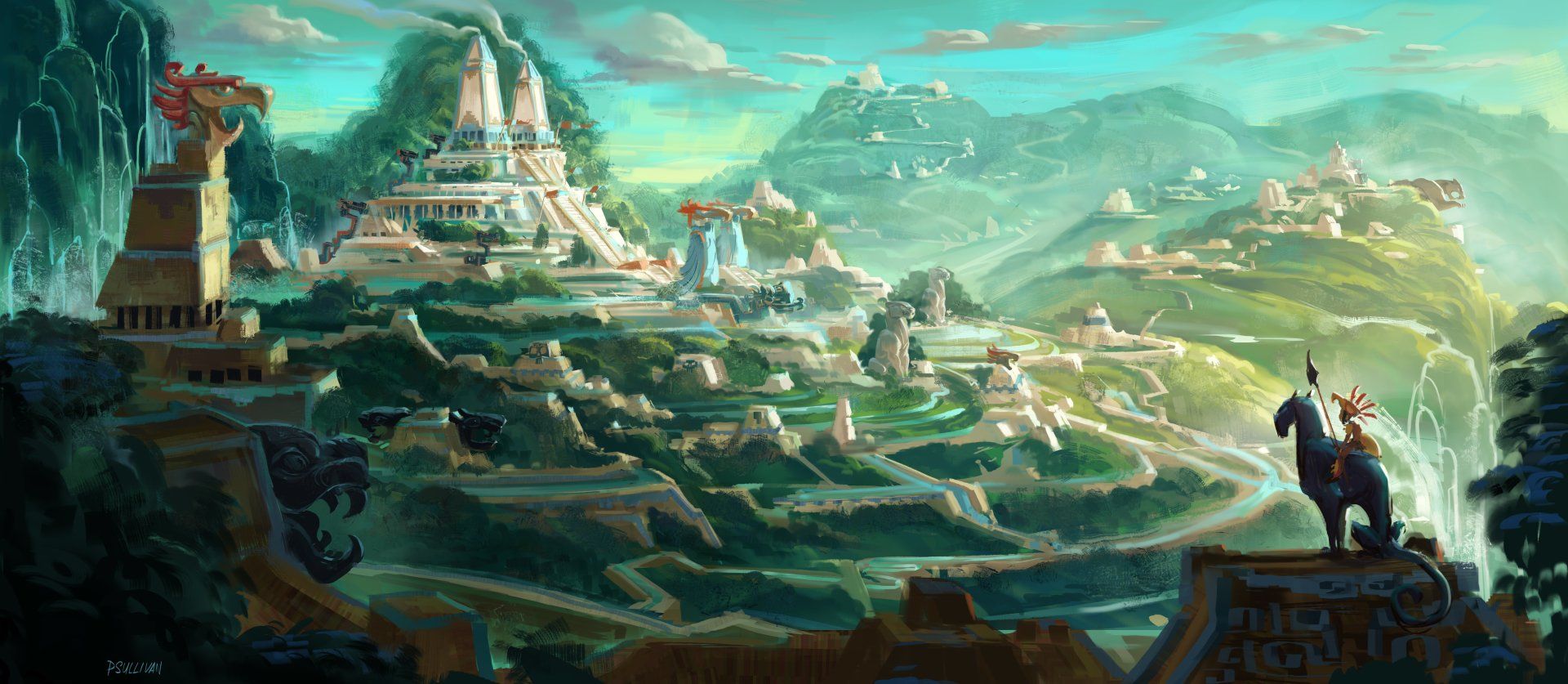
Fig. 1 – Concept art for the series by production designer Paul Sullivan. This image was used to present the series to the press, showing an early interpretation of the Teca Kingdom as inspired by the Aztec Empire. [Link to source]
The world of the animated fantasy series Maya and the Three (Netflix, 2021) is a sweeping homage to the ancient Americas. Created to celebrate cultures as diverse as the Aztec, the Maya, and the Inca, the show’s visual style draws extensively from a wide swath of pre-Columbian cultural production: architecture, sculpture, textiles, pottery, song, dance, and even hairstyles lend the show an unmistakable atmosphere, one only enhanced by the signature artistic style honed by creator Jorge R. Gutiérrez and his crew, especially production designer Paul Sullivan.
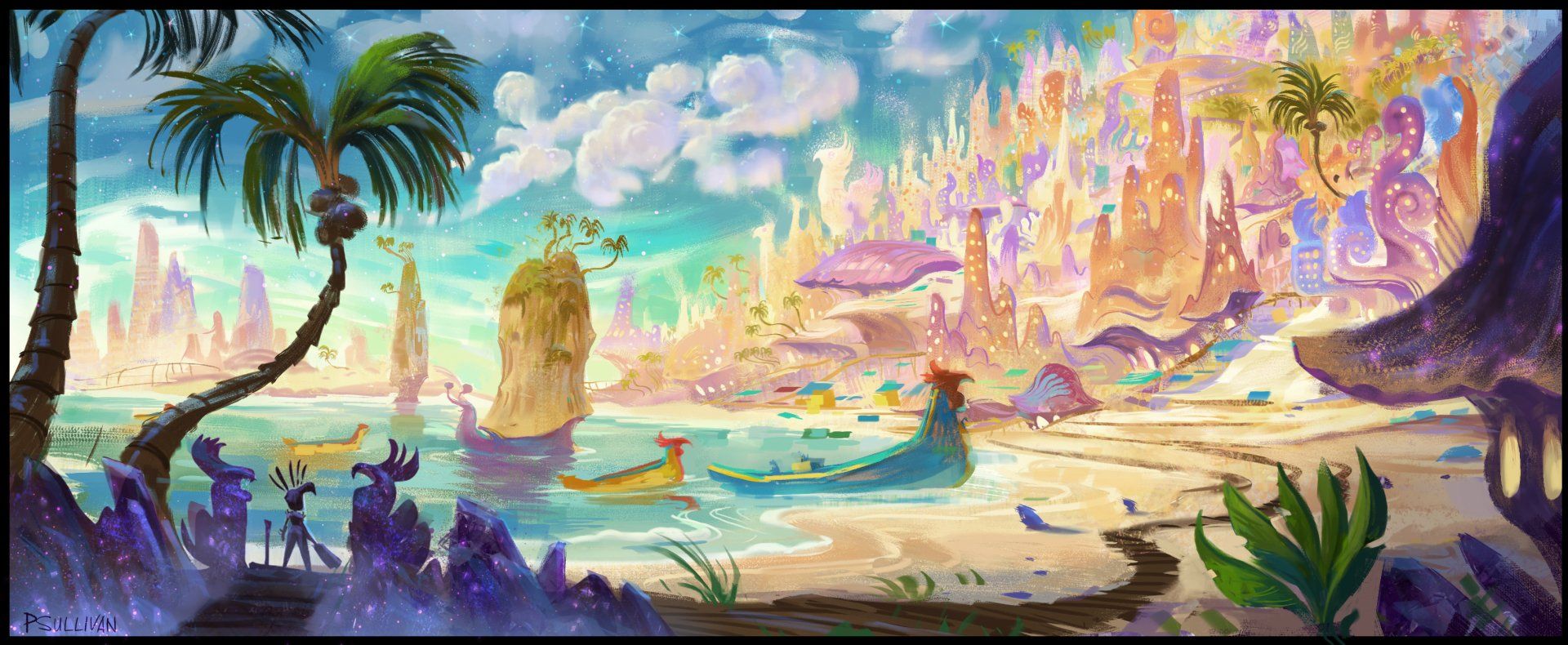
Fig. 2 – Concept art of Luna Island by production designer Paul Sullivan, inspired by contemporary Caribbean cultures. [Link to source]
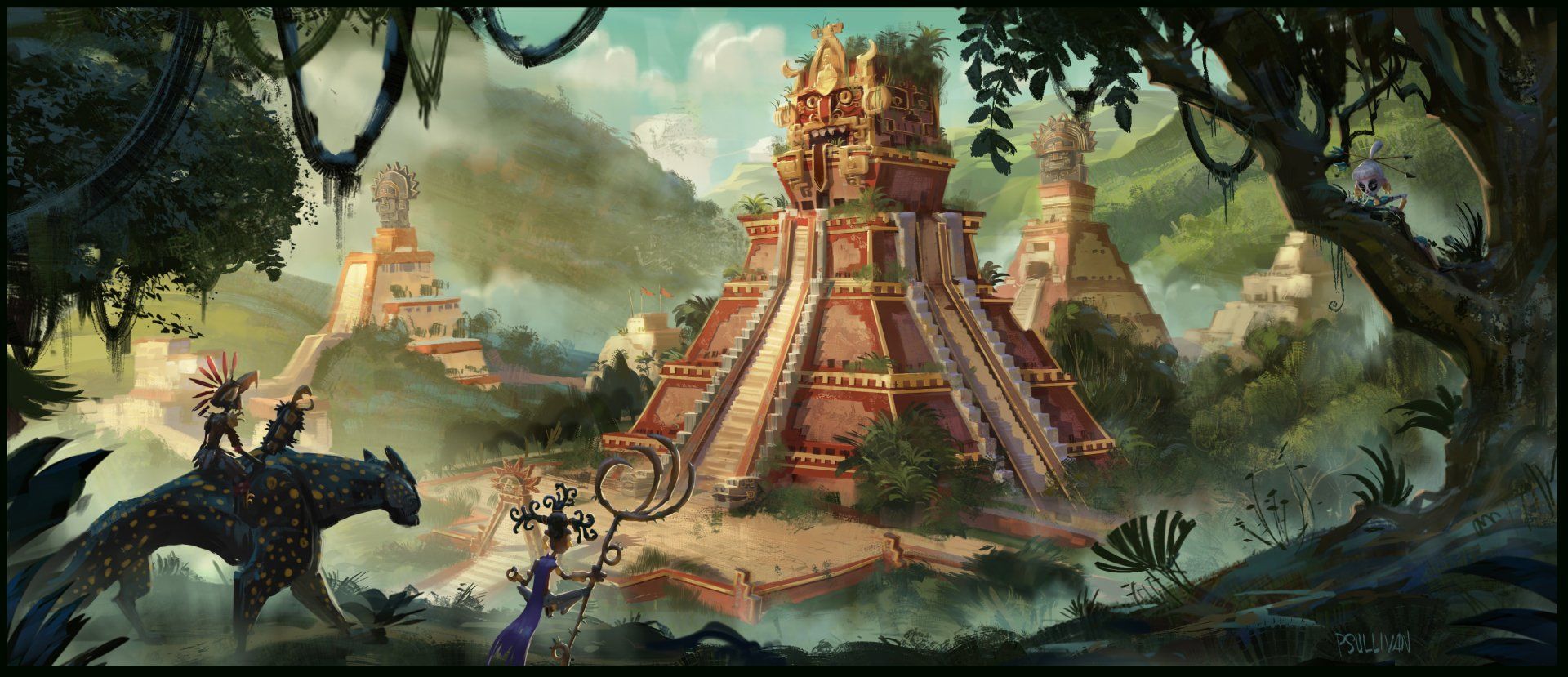
Fig. 3 – Concept art of the Jungle Lands by production designer Paul Sullivan, inspired by Chichen Itza. [Link to source]
However, the show’s storytelling undermines the very worldviews of the cultures it seeks to represent. The series marks pre-Columbian artistic, cultural, social, and geographic references as elements evocative of latinidad and as emblematic of Latin American cultural imaginaries. Indigenous elements serve only as stylistic ornamentation, as an “aesthetic.” Rather than using these symbolic visual references to tell a story that speaks from or to Indigenous perspectives, the show adheres to the modern storytelling conventions of the action-adventure genre without challenging its long-recognized European imperialist connotations.1 In other words, the show’s narrative more closely resembles a story found in Christopher Columbus’ travel journals than in the Aztec codices it claims as influences.
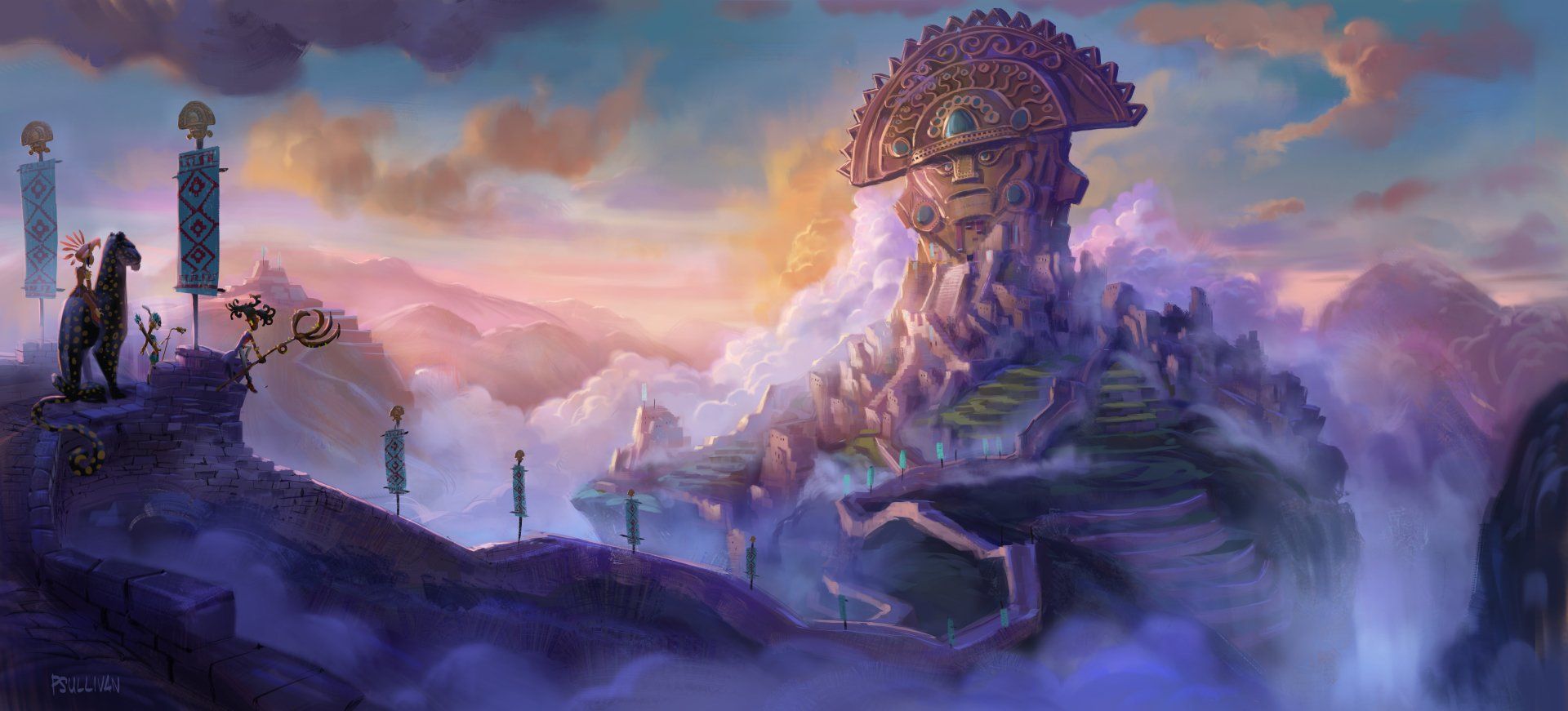
Fig. 4 – Concept art of the Golden Mountains by production designer Paul Sullivan, inspired by Machu Picchu. [Link to source]
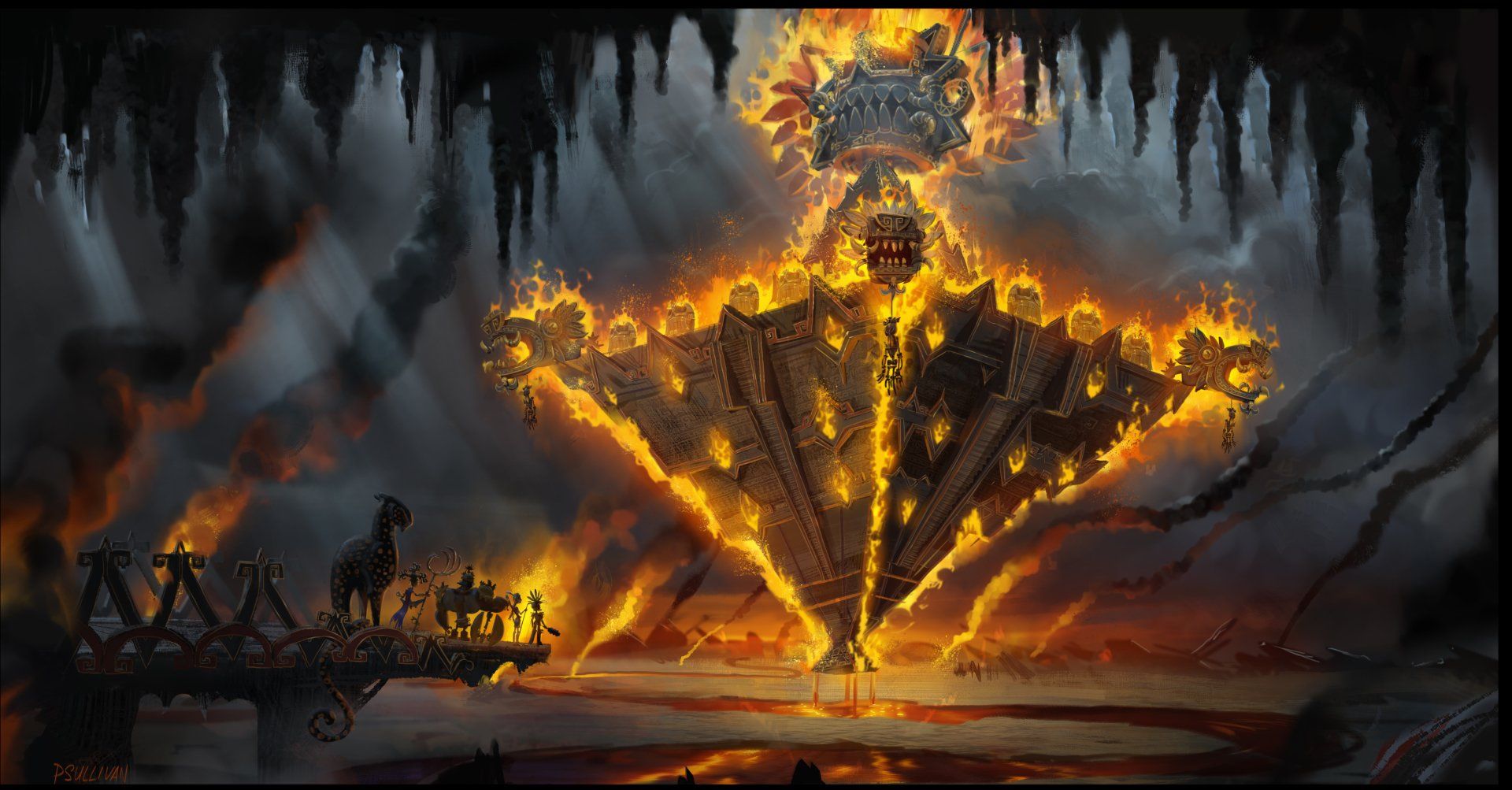
Fig. 5 – Concept art of the Underworld by production designer Paul Sullivan. [Link to source]
This essay examines the aesthetic combinations and ideological contradictions resulting from the entanglement of the show’s visual style and narrative structure. It argues that contemporary media like Maya and the Three superficially celebrate pre-Columbian cultures by appropriating their aesthetic forms, while translating Indigenous cultural and spiritual practices to fit within Western European intellectual and narrative traditions. This study demonstrates the potency of storytelling conventions: even when a show wallpapers its compositions with symbolic Indigenous imagery, the way it tells the story can still uphold Euro-American colonial perspectives.
Although stories like these have been developed as a means to rectify past racist U.S. media depictions and to honor Latin American, Latinx and Indigenous cultures, these stories sustain the very myths invented by European cultural production since the 1500s. More insidiously, despite the increased participation of Latinx and Latin American creatives, cultural advisors, and activists, these stories still fall prey to the visual and narrative conventions of depicting the Americas as magical, mysterious, or menacing. While these concerns may seem inappropriate or irrelevant for entertainment media aimed at young audiences, addressing this entanglement is crucial for developing narrative alternatives to these tropes, which have dictated how we have imagined and pictured the Indigenous Americas for over five hundred years.
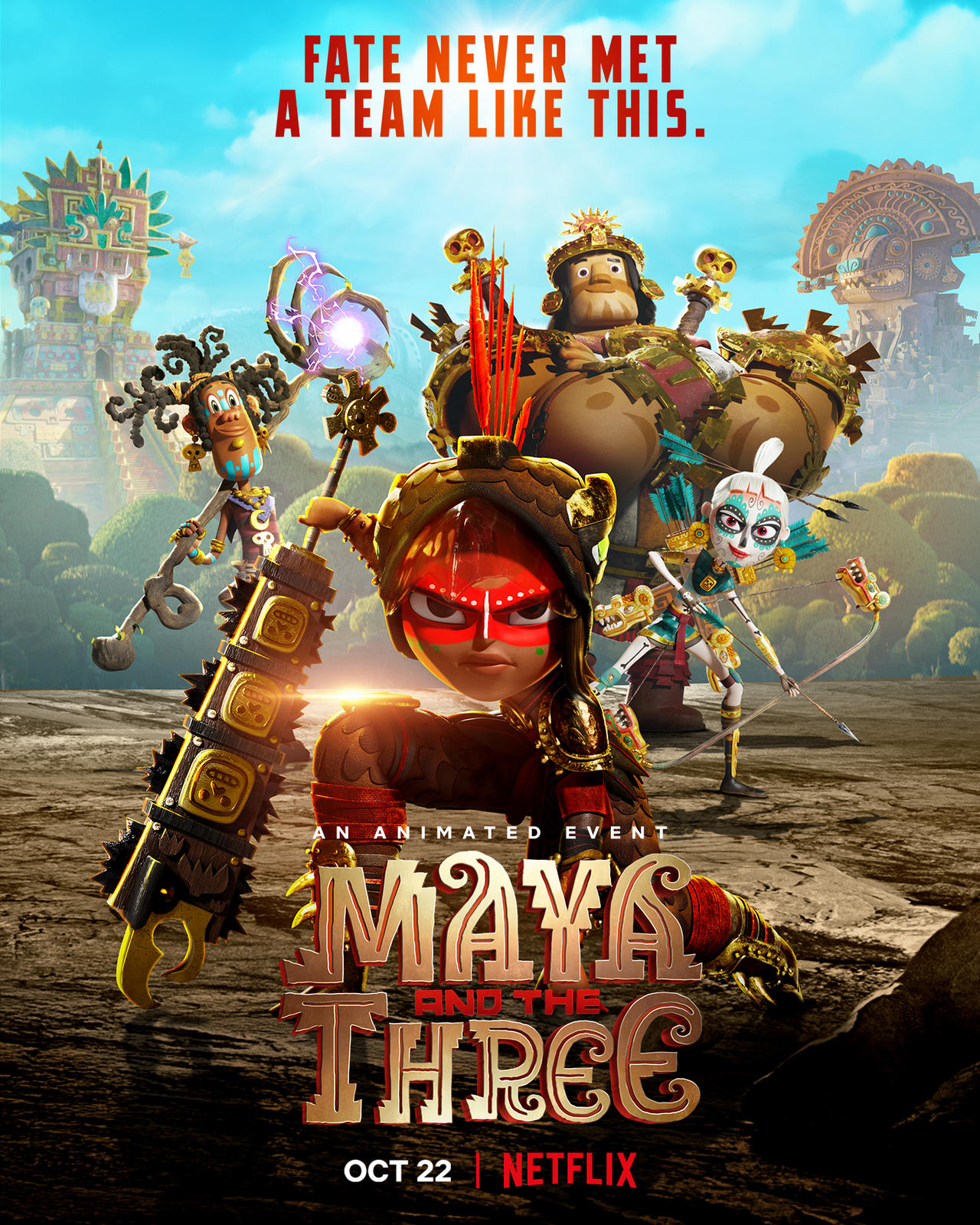
Fig. 6 – Series promotional poster.
Maya and the Three begins with an ancient prophecy: the Mighty Eagle warrior and three courageous jaguars will one day vanquish the Dark Lords of the Underworld. When these gods demand the sacrifice of the Teca princess, Maya (Zoe Saldaña), her father, King Teca (Jorge R. Gutiérrez), and her older triplet brothers wage war against the gods with certainty that their victory has been foreordained. Unfortunately, the stars are not aligned for the Teca Kingdom: the underworld gods swiftly defeat the army, and the triplets perish in battle. Eventually, Maya realizes that the prophecy foretells not a singular kingdom battling alone, but rather all the lands unifying and cooperating for the common good. With this objective, the Teca princess-warrior sets off across the land to recruit the three sidekicks who will help her face off against the God of War, Lord Mictlan (Alfred Molina), and his immortal cronies.
While various filmic stylistic techniques—cinematography, editing, mise-en-scène, and sound—make Maya’s world feel dynamic, it is the atmosphere produced by a plethora of pre-Columbian references that makes it visually unique, vibrant, and multi-faceted. As showrunner Gutiérrez attests, extensive research on pre-Columbian cultures dictated the form the series took, adding: “Early on, Teca looked too serious, too archaeological. We had let the research guide the aesthetic too much, and it looked like we were showing off the research.”2 While the show ultimately opted for more artistic license, Indigenous cultural production still defines the show’s “aesthetic” in substantial ways. A key sequence in Chapter 2, “The Prophecy,” demonstrates how Indigenous sources help Maya create a lived-in, visually-striking fantasy world—an approach defining the overall series.
In the first half of the sequence, the kingdom gathers in the Teca ritual center to mourn the warriors fallen in the initial disastrous battle against the gods. For this funerary celebration, the sprawling plaza is dressed in a way reminiscent of Day of the Dead: marigold petals fall from the sky as candles illuminate an altar for the dead; their warm-colored light make it the focus of the otherwise cool-toned night scene. Women and children dance in circles as they gently sing “Bolom Chon,” a traditional Tzotzil song honoring the jaguar—referencing Maya’s deceased triplet brothers, the Jaguar warriors.
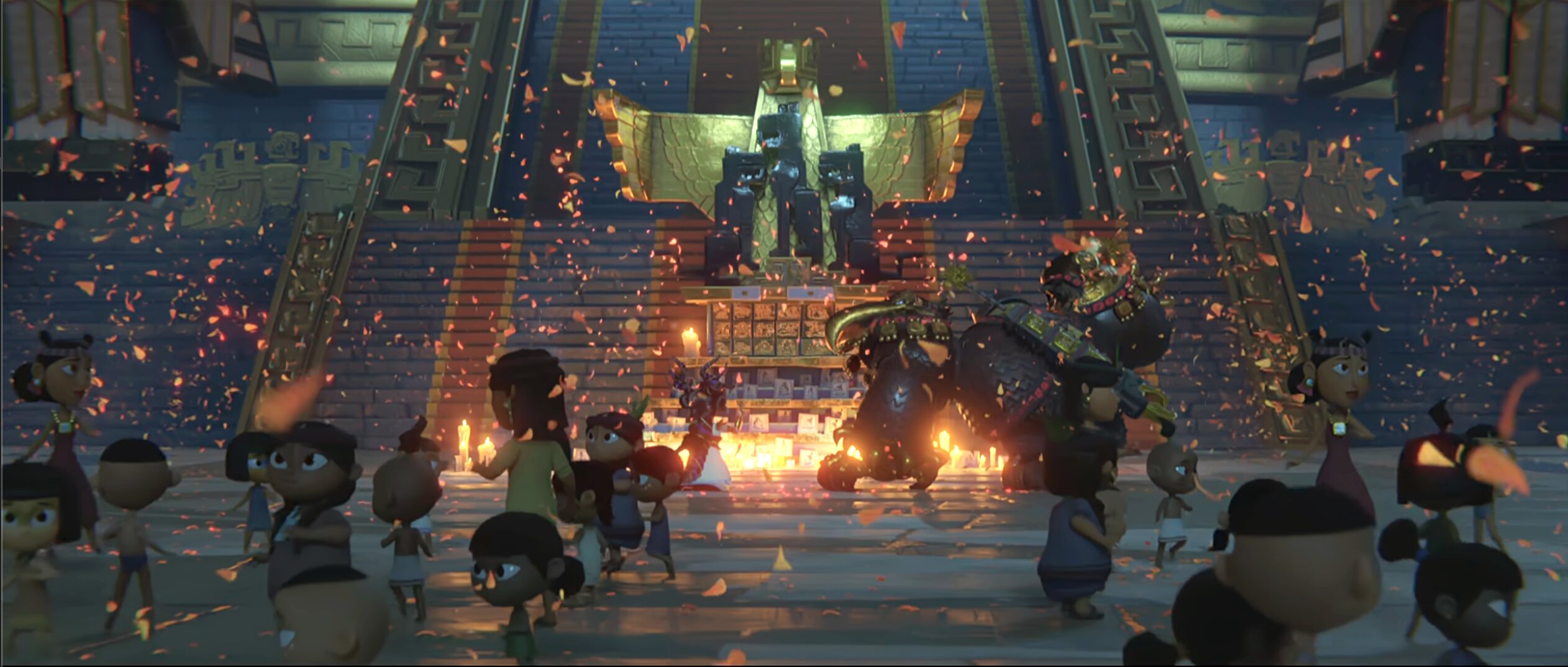
Fig. 7 – The funeral celebration in the Teca ritual center with women and children performing in mourning of the kingdom’s men. Still from Maya and the Three, Chapter 2: “The Prophecy,” 2021.
Maya joins King and Queen Teca (Sandra Equihua), who kneel and pray in honor of their sons at the foot of the altar. A montage shows the night progressing and the plaza emptying while Maya remains kneeling in mourning. Suddenly, the clouds part to reveal the full moon imprinted with a skull design. As its light hits the altar, her brothers’ spirits magically highlight the stone glyphs for Rooster, Skull, and Puma engraved on the base. Maya exclaims that she has seen those symbols together and rushes up the stairs of the colossal pyramid-palace to decipher their meaning.
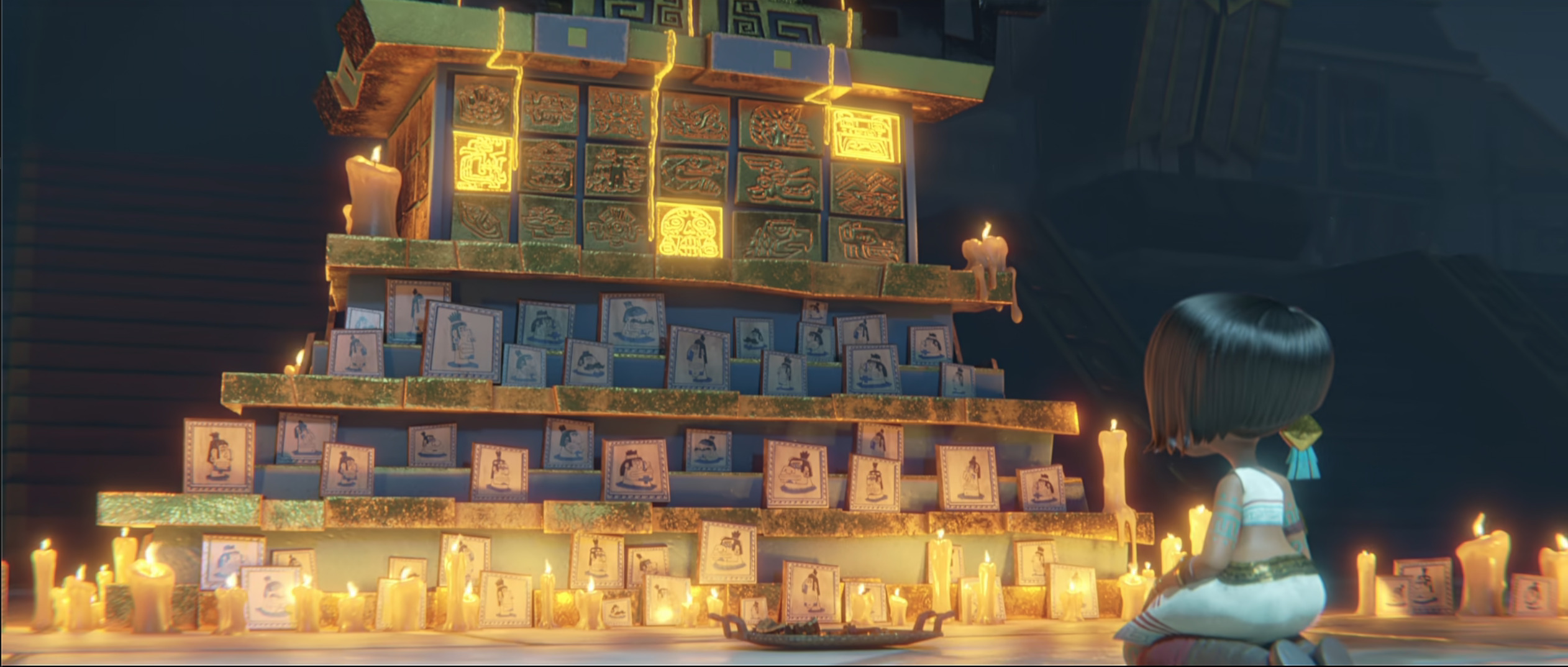
Fig. 8 – Maya witnessing her deceased brother’s supernatural intervention. Still from Maya and the Three, Chapter 2: “The Prophecy,” 2021.
In the next scene, Maya enters a cavernous library housed within the pyramid. In a montage, she pulls books, scrolls, and codices from the shelves and places them on top of the central sacrificial stone table. She reads throughout the night; however, the documents offer only more mysterious legends and no clear answers. It is not until she trips and falls to the floor that she realizes that the glyphs on the sides of the sacrificial stone are misaligned, much as in a mix and match flipbook puzzle.
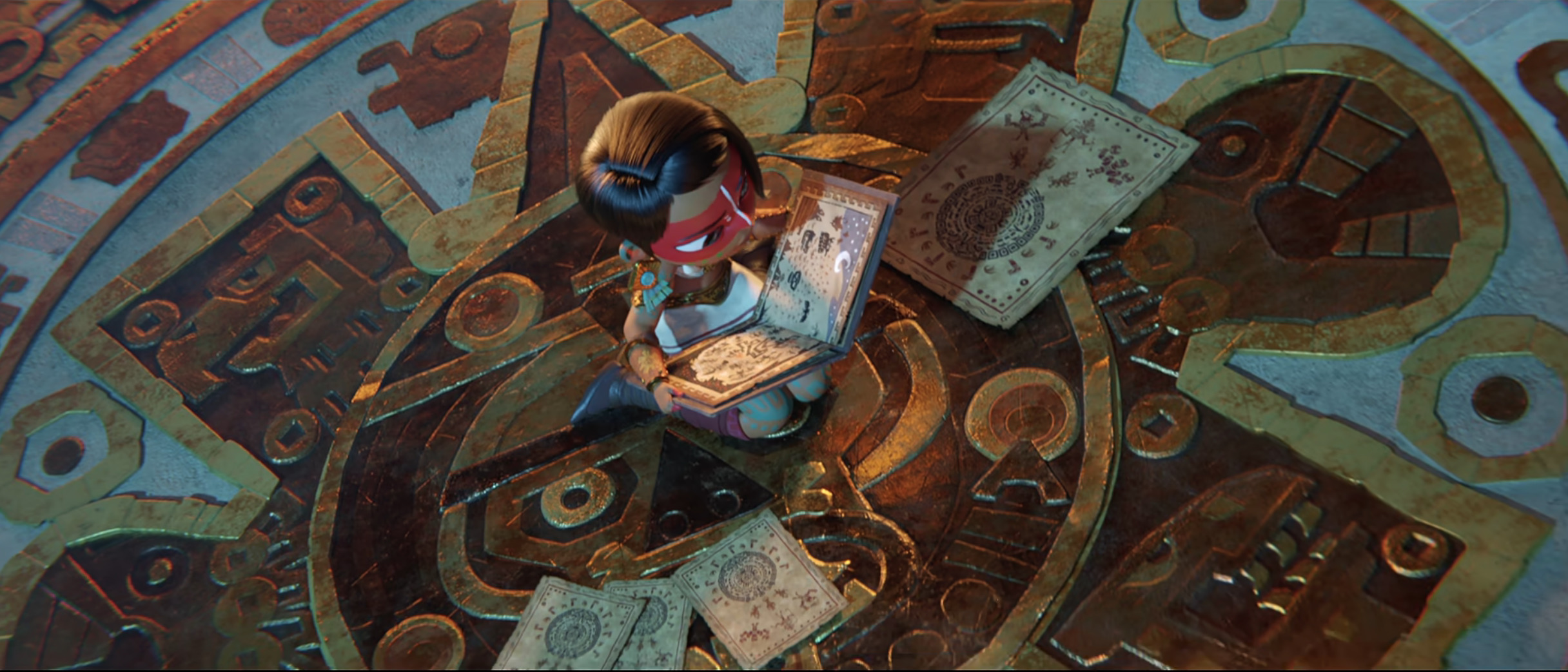
Fig. 9 – Maya reads ancient Teca texts atop of a stone table inspired by the Aztec Sun Stone. Still from Maya and the Three, Chapter 2: “The Prophecy,” 2021.
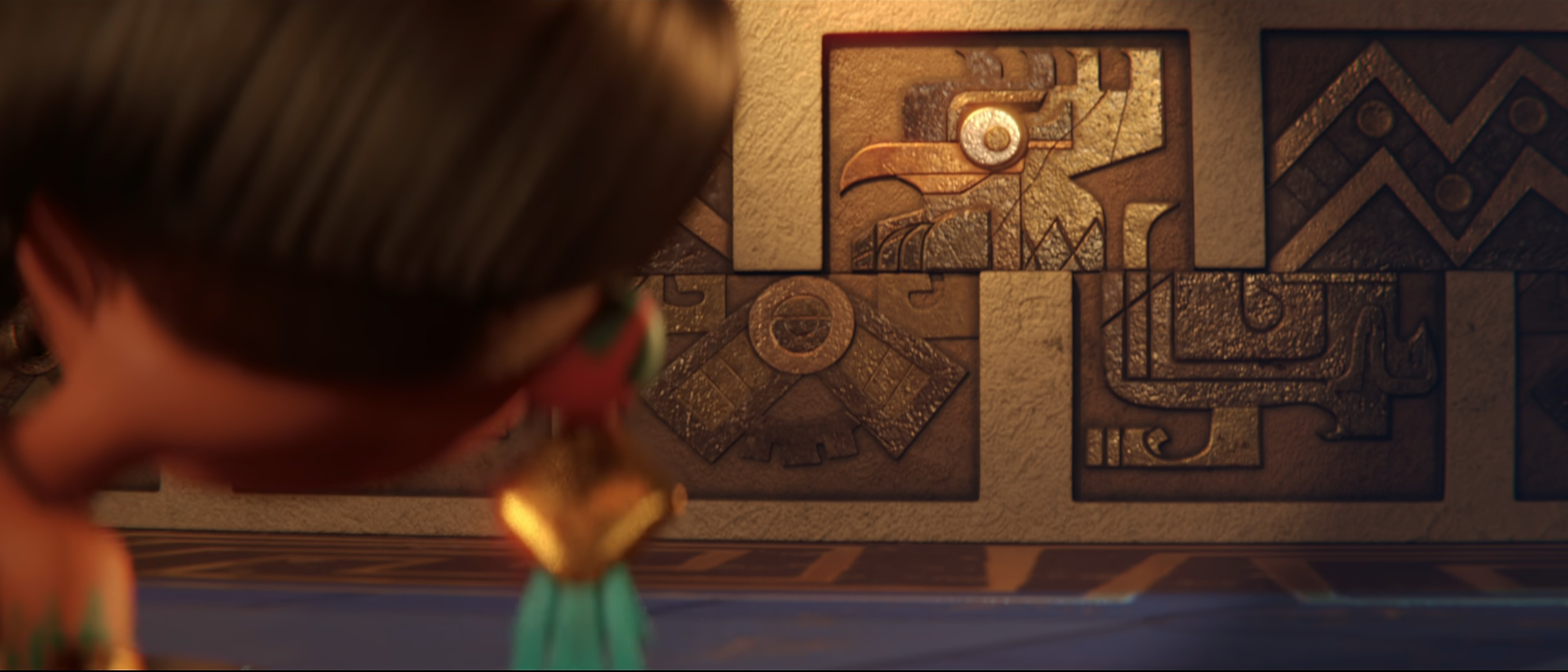
Fig. 10 – Maya notices the misaligned glyphs on the side of the stone table. Still from Maya and the Three, Chapter 2: “The Prophecy,” 2021.
She rushes to wake her father and mother, who help her rotate the stones and align the glyphs. This triggers a series of hidden statues to emerge from behind the library walls. As her mother and father express awe at the unfolding spectacle, Maya announces urgently: “We had the Teca prophecy wrong all this time. That’s why we lost. The real prophecy is that the rooster, a skull, a puma, and a little eagle will team up to save the world!” The rising sun shines through an opening in the walls and squarely hits the central sculpture of a golden eagle. The sunlight reflects off and illuminates some pedestals in the exterior ritual plaza, which in turn, redirect the light in the different directions where Maya will find “the Three” brave warriors who will accompany her on the journey.
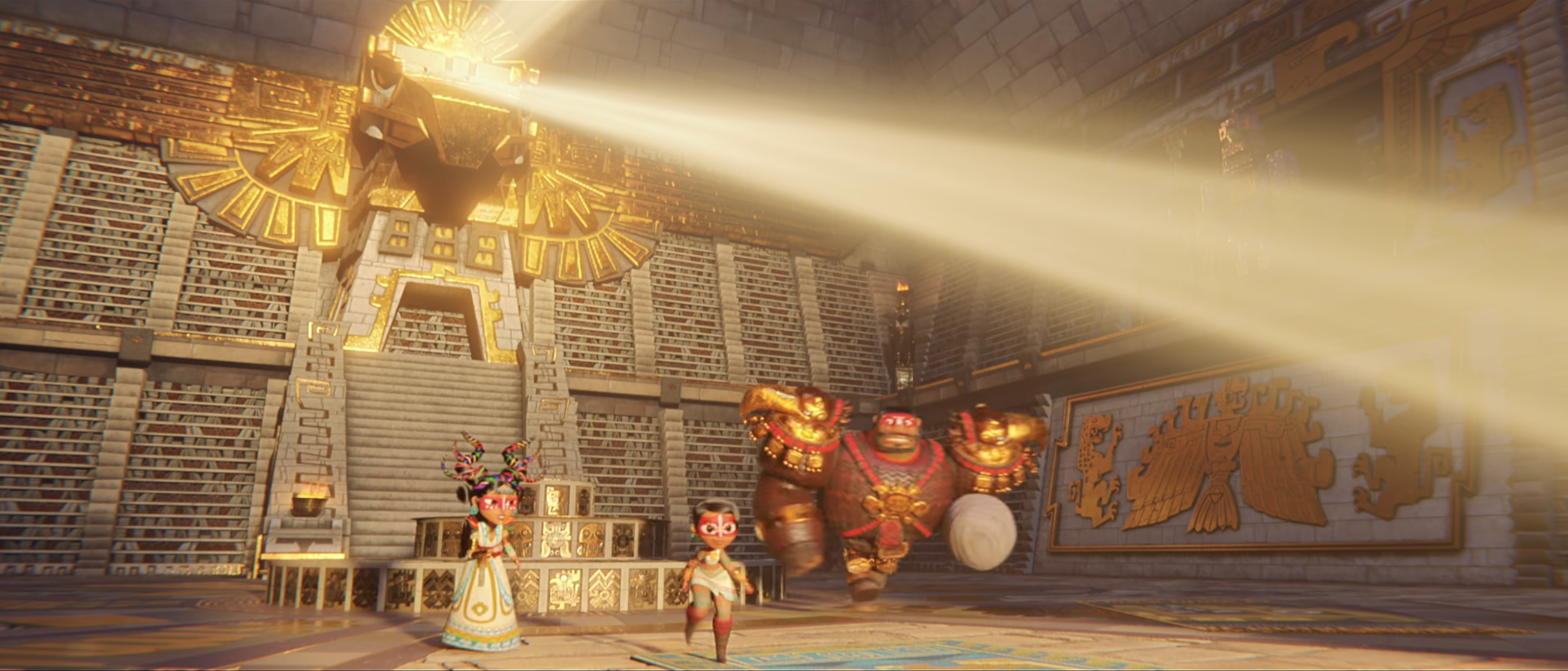
Fig. 11 – The central eagle sculpture moves when hit by sunlight, triggering a mystical light spectacle. Still from Maya and the Three, Chapter 2: “The Prophecy,” 2021.
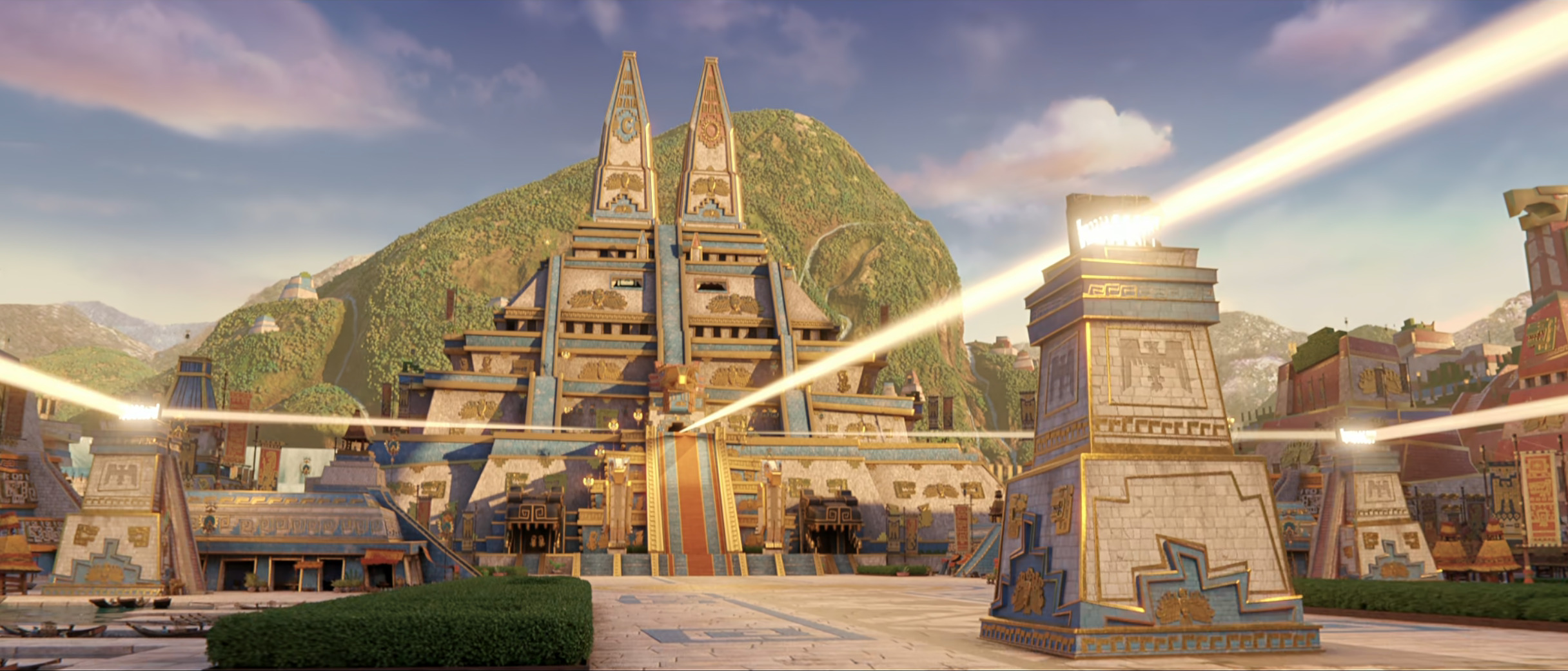
Fig. 12 – Hidden in plain sight, the Jaguar towers light the way towards the prophecy’s true meaning. Still from Maya and the Three, Chapter 2: “The Prophecy,” 2021.
Media scholar Kristen Warner’s concept of plastic representation is useful to understand the aesthetic combinations and ideological contradictions of how Indigenous cultural sources are used in this sequence. According to Warner, plastic representation describes the strategy in dominant media of foregrounding marginalized subjects and cultures and making them hyper-visible: “diversity serves as an indicator of progress as well as an aspirational frame for younger generations who are told that the visual signifiers they can identify with carry great amount of symbolic weight.”3 In this way, mainstream media makes it seem as if simply being on screen, visible, and represented, can solve systemic social problems. However, she argues this approach is not enough. By privileging representation, media merely increases visibility without amending the underlying problems. The results are artificial (or plastic) narratives that do not tell culturally specific storylines and cannot reflect the lived experience of marginalized subjects.
In many ways, this would seem not to apply to Maya. The series tells an empowering story about learning to work with others and to sacrifice one’s own needs for the greater good. The power of its message arises from the fact that Maya speaks directly to Latinx audiences. Not only does the show prominently feature Latin American cultural references, but it also includes a heavy amount of Spanish-language phrases and dialogue. Together, these qualities appear to lend the show a genuine cultural specificity. And yet, this specificity does not extend to the pre-Columbian historical period. Looking more closely at the sequence shows there is a disconnect between the series’ style and story. While the quiet, heartfelt funeral scene is rooted in representations of “tradition,” the second scene creates an action-adventure narrative lens by emphasizing the more dynamic themes of discovery, exploration, and mystery.
Remarkably, Maya discovers the full meaning of the prophecy, not by being proficient in her kingdom’s culture, but more by accident and by fidgeting with gadgets. This approach echoes how heroes are written in action-adventure films, such as Indiana Jones and the Raiders of the Lost Ark (Steven Spielberg, 1981) and The Mummy (Stephen Sommers, 1999). Like the protagonists of these films, Maya is intellectually astute, solving problems on the go, and physically fit, able to defeat enemies and navigate ancient mazes.
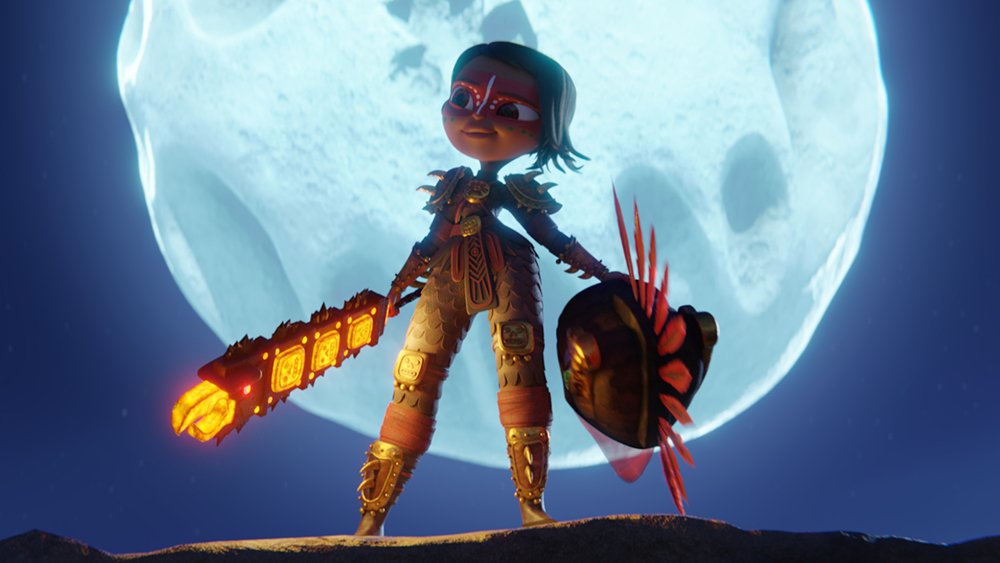
Fig. 13 – Promotional image featuring Maya.
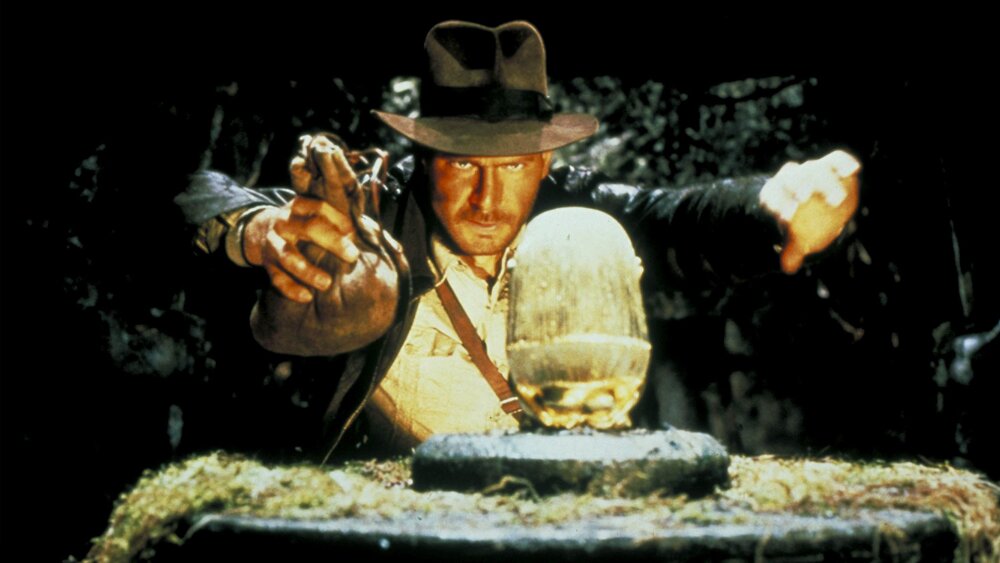
Fig. 14 – Action-adventure hero Indiana Jones (Harrison Ford) swaps a bag of sand for a gold icon in one of the most famous film openings. Still from Indiana Jones and the Raiders of the Lost Ark, 1981.
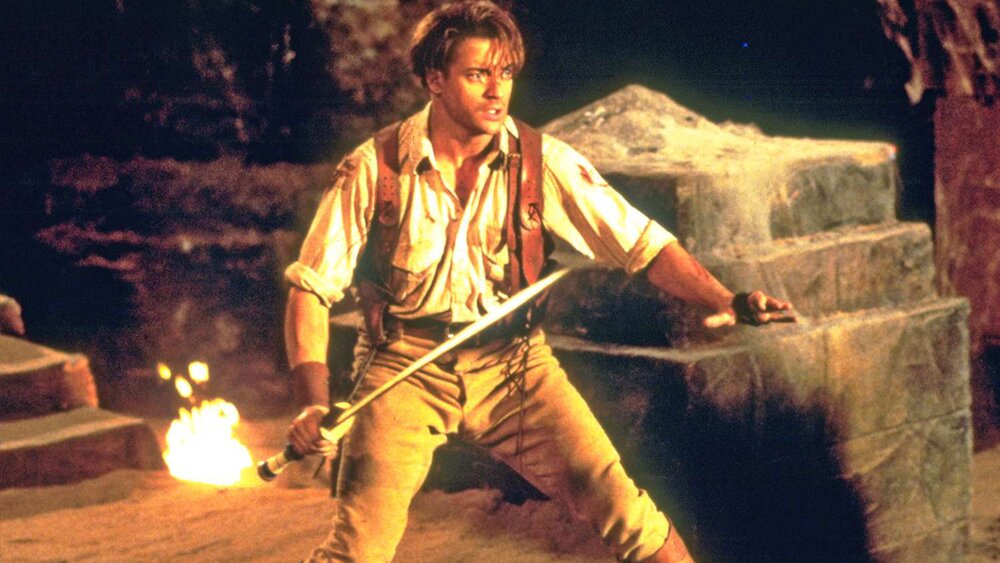
Fig. 15 – Treasure hunter Rick O’Connell (Brendan Fraser) in a still from The Mummy.
Her “adventure” in the library also frames Indigenous knowledge as mysterious and out-of-reach: glyphs and other Native writings are obstacles to be deciphered. To let Maya discover the true meaning of the prophecy by herself, the series has to exclude elders or librarians that could explain the sources. Even King and Queen Teca—ostensibly the kingdom’s cultural experts—are surprised by the library’s secret mechanisms. As the room reveals its statues, Queen Teca constantly gasps, and King Teca simply exclaims “Oh my gods! What does it all mean?” Conversely, Maya learns the library’s secrets through sheer resolve and cunning.
The library’s architecture also adheres to the narrative parameters of the action-adventure genre. Designed in the same spirit as Indiana Jones and The Mummy’s “treasure rooms,” the library features secret compartments accessible only through technologically advanced mechanisms. This is a common yet paradoxical trope in the action-adventure genre where Native cultures are constantly framed as primitive or uncivilized; nonetheless, they are capable of engineering mechanically complex buildings with elaborate booby traps or self-destruct mechanisms. This futuristic engineering is most evident in the intricate system of light reflectors directing Maya to her sidekicks, which directly mirrors similar systems in Indiana Jones and The Mummy.
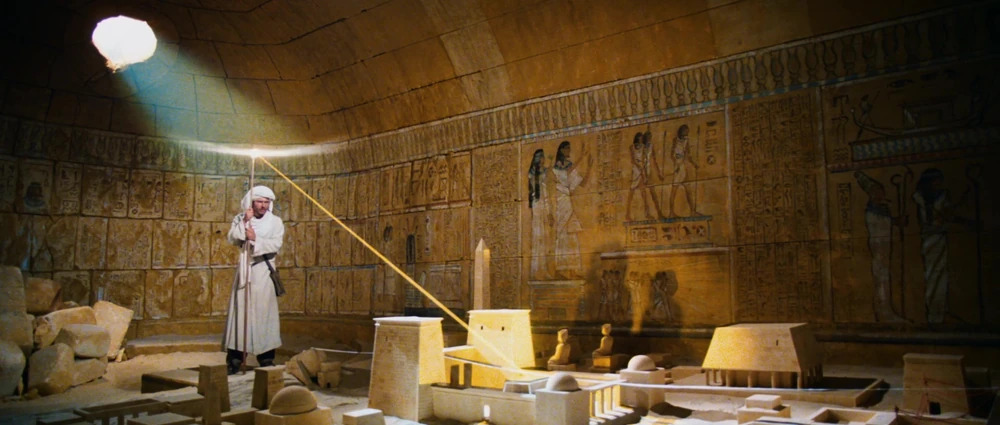
Fig. 16 – Indiana Jones uses a relic to pinpoint the location of ancient treasure. Still from Indiana Jones and the Raiders of the Lost Ark, 1981.
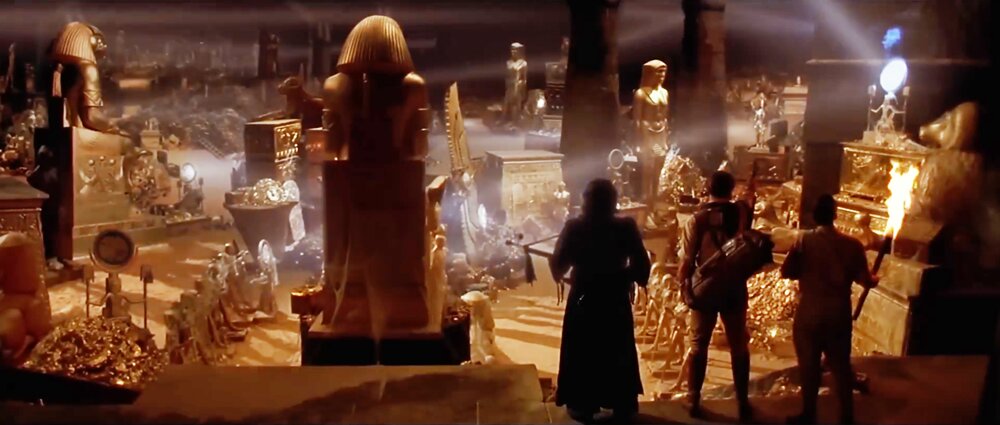
Fig. 17 – The treasure room is magnificently revealed when Rick O’Connell expertly shoots a mirror that bounces light across a network of precisely placed mirrors. Still from The Mummy, 1999.
Furthermore, the mere existence of a “library” changes the meaning of knowledge for Mesoamerican cultures. Following the mandates of the genre, the story needs a setting where information is stored and revealed. In traditional action-adventure stories, these settings are usually libraries or ancient temples. Maya combines both, implying that, for the Tecas, knowledge is understood and given value in the same way as in Europe. While it is true that cultures like the Aztec and the Maya kept written documents, knowledge was also shared through narration, song, and dance—plus countless other ways. In Mesoamerica, the value of knowledge and stories came from being performed and shared; as such, they were never just a static, written word stored in an archive saved only to be “discovered” and deciphered by an intrepid adventurer.
These dynamics are also present in the more “traditional” first scene. Even if, at first glance, the funeral scene appears to be more in tune with Indigenous cultural practices, the action-adventure lens still determines how Indigenous “aesthetics” are expressed. The key difference is that it is not loud, action-packed films that influence audience expectations. Rather, it is ethnographic media that most impacts scenes like these. While these two kinds of media appear to belong to entirely different genres or narrative modes, film scholars Ella Shohat and Robert Stam argue that action-adventure films and ethnographic documentaries are possible only because of the same histories and ideologies of imperialism.4
In this way, the funeral scene draws on the motifs that ethnographic media has pinpointed as intrinsic elements of a cohesive vision of “authentic, Indigenous Mexico.” Within a modern Mexican context, allusions to Day of the Dead, altars, marigold petals, Monarch butterflies, skulls, song and dance performances, and representation of Aztec architecture all signal “Indigenous-ness,” which is to say an “aesthetic” rather than Indigeneity as an identity category.
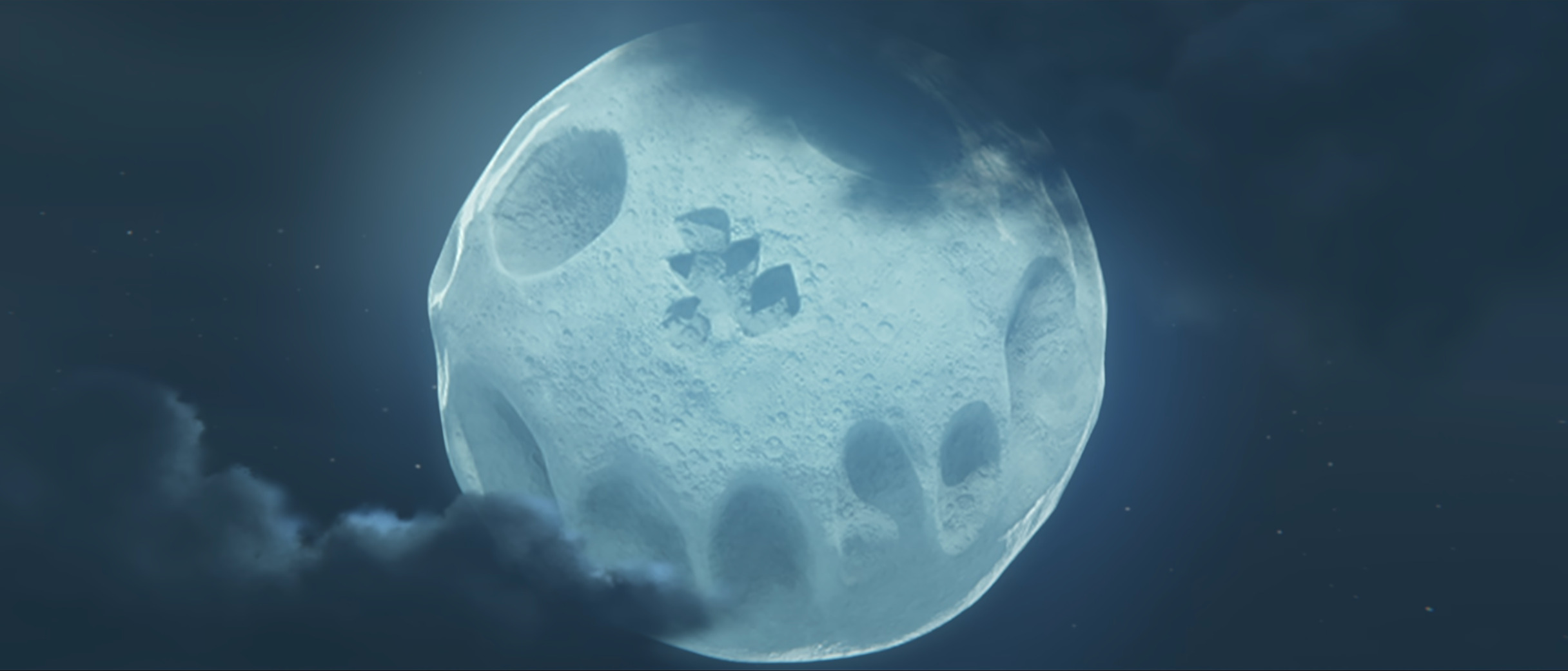
Fig. 18 – The moon is imprinted with a skull design. Still from Maya and the Three, Chapter 2: “The Prophecy,” 2021.
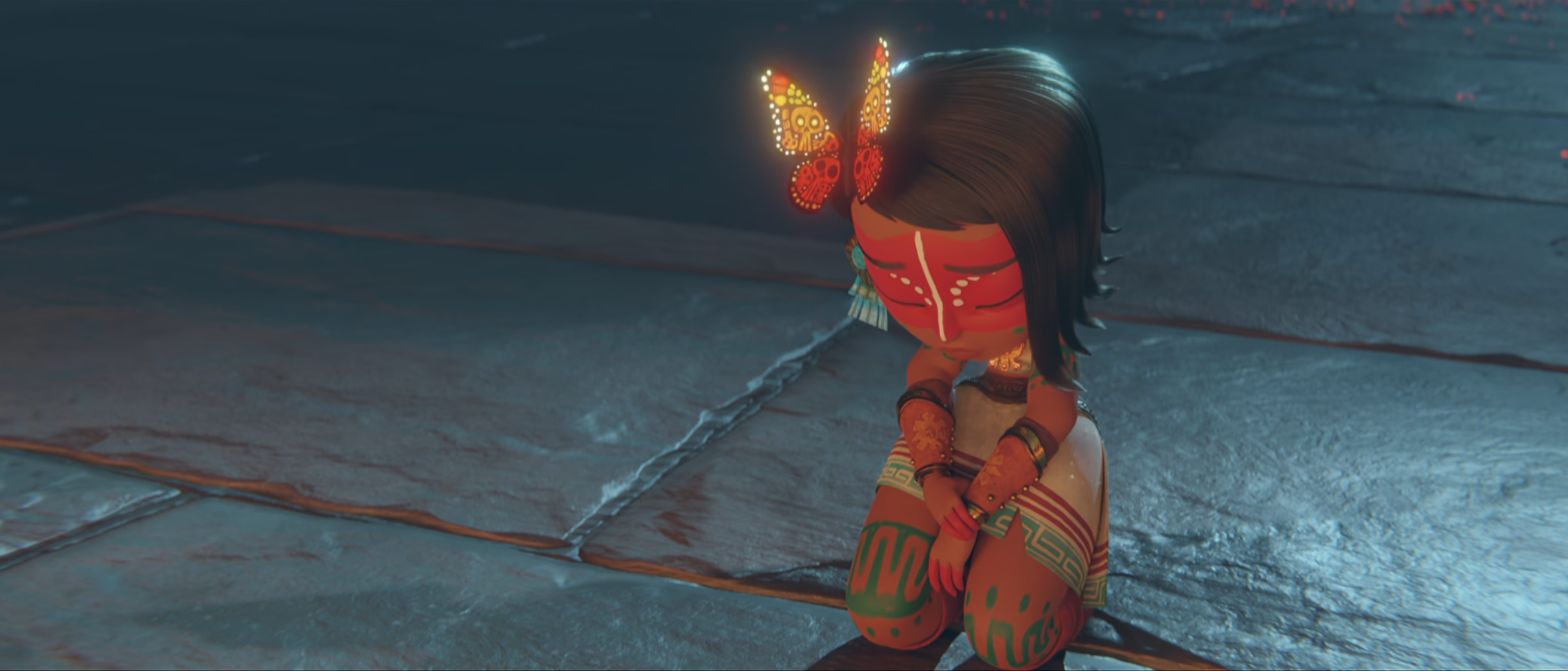
Fig. 19 – A monarch butterfly with wings imprinted with skull designs lands on Maya as she mourns. Still from Maya and the Three, Chapter 2: “The Prophecy,” 2021.
The scale of this aesthetic impact is most visible in the recurring motif of skulls. In Maya, practically every scene features skull designs, such as in the moon or on the wings of the Monarch butterfly that flies around the altar. This example demonstrates how, by mere repetition—that is, by the simple act of representing them time and time again—these icons have become the symbols that audiences and tourist expect from “authentic, Indigenous Mexico.”5 So, while Maya is not the originator of this vision, it is just one of many media texts repeating the same list of symbols; it is yet another repetition where the process of constructing “Indigenous authenticity” has already happened and been naturalized. In this assimilation, the Native cultural specificity of these elements continues to be distorted, misunderstood, or simply ignored.
It is precisely in the disjunctures between the “aesthetic” and story where the show fails to honor the Indigenous Americas. Through the narrative lens of the action-adventure genre, Native cultures are used at the cost of their own specificity. While Indigenous myths and archetypal characters do inform some of the story choices, their morals, values and cosmovisions have not been fully integrated. The result is the plastic representation of pre-Columbian cultures, which works as a simple “unique flavoring” or adds “local color.”
The main problem of Maya’s plastic representation is not that the story lacks cultural specificity—quite the opposite, it is very Latinx. And yet, it is important to highlight that Latinx is not synonymous with Indigenous: Latinx is a modern identification that is only possible in the aftermath of colonization. Thus, the bigger problem of Maya’s plastic representation is that the series uses pre-Columbian cultural, artistic, social, and architectural references without considering the history and impact of colonization; without considering the ways in which Native cultures have been turned into a shortcut for Latinx identities;6 and without fully integrating the histories, knowledges, beliefs, and stories found within Native perspectives.
One of the main messages of this sequence is that people need to look to the past to learn to work together. Because of the Teca’s military prowess, the kingdom became very arrogant, stopped considering its history, and ultimately misunderstood the prophecy. Ironically, Maya looks to the past, but it does not adopt its lessons. This is not to say that the series should have been anthropologically accurate. Gutiérrez and the production team were right to make Maya less “serious” and “archaeological.” Their efforts successfully made Maya’s world feel lived-in and avoided making a simple, outdated diorama. However, the series does use Indigenous cultures as visual symbols of contemporary Latinx identity—engendering a plastic representation that obscures ancestral Native knowledges, beliefs, and morals. The result is a narrative more interested in individualistic empowerment, materialism, and the appropriation of culture as an “aesthetic.” Such critique becomes more apparent when we consider Netflix’s role as producer. As a transnational corporation, Netflix profits not only from Latinx and Latin American audiences who must pay the monthly subscription fee to consume these stories; it also profits from Native cultures, compounding the stakes of the cultural distortions mentioned above and representing a double appropriation.
Without considering the history of how stories are told and the histories that have impacted what stories we tell, media sustains these asymmetrical cultural power dynamics. Studying the narrative structure of shows like Maya and the Three demonstrates the stakes of mis-using Indigenous cultures as mere symbolic signifiers without writing storylines that speak directly to their cultural specificity. In other words, focusing on Indigenous “aesthetics” reveals the colonial echoes still present in the contemporary media that supposedly seeks to honor our histories and identities. Ultimately, the challenge lies in balancing the intent to celebrate cultural diversity with acknowledging the historic violence embedded in storytelling practices, fiction or otherwise.
-----------------------------------------------------------------------------
1. See especially Ella Shohat and Robert Stam, “The Imperial Imaginary,” in Unthinking Eurocentrism: Multiculturalism and the Media, 2nd ed. (London: Routledge, 2014), 100–136, for an excellent contextualization of the entanglement between cinema, imperialism, and action-adventure genres.↩
2. Carlos Aguilar, “The Indigenous influences on Netflix’s ‘Maya and the Three,’” Los Angeles Times, last modified October 22, 2021, [https://www.latimes.com/entertainment-arts/tv/story/2021-10-22/netflix-maya-and-the-three-indigenous-influences]↩
3. Kristen J. Warner, “In the Time of Plastic Representation,” Film Quarterly 71, no. 2 (2017): 33.↩
4. Shohat and Stam, Unthinking Eurocentrism, 34, 104. ↩
5. The importance of repetition in the construction of “authenticity” comes from art historian Kirsten Pai Buick. In Buick’s terms, the visual motifs of “Indigenous-ness” can be called identity objects: “The authentic, in effect, helps to construct identity objects that, through convention and repetition, present themselves as obvious and reducible to lists of attributes and traits as the origin of the authentic itself. The explanation is circular because in locating origins, the oppressive structures that give rise to identity objects are invariably elided.” Kirsten Pai Buick, “‘Race’ as Object Lesson: Objects of Rebellion,” In Object Lessons in American Art, ed. Karl Kusserow (Princeton UP, 2023), 43.↩
6. Lourdes Alberto, “Nations, Nationalisms, and Indígenas: The ‘Indian’ in the Chicano Revolutionary Imaginary,” Critical Ethnic Studies 2, no. 1 (2016): 107–27. Alberto’s excellent study outlines how Indigeneity was deployed by the Chicana/o movement. Much like Maya, despite the urge to honor cultural lineages and marginalized identities, the efforts of U.S.-born Mexican Americans in the 1960s and 70s constitute a cultural appropriation that has yet to be fully deconstructed and problematized.↩
